9 Common Recovery Mistakes That Could Be Slowing Your Cosmetic Surgery Healing
March 16, 2026
The Hidden Emotional Challenges of Post-Op Recovery You Didn’t Expect
March 16, 2026

Introduction to Massage Therapies in Post-Surgical Care
Understanding Massage Therapy in Wellness and Recovery
Massage therapy is widely recognized for its benefits in promoting relaxation, easing muscle tension, and supporting overall wellness. In the context of post-surgical recovery, massage plays a critical role in helping patients regain comfort, reduce pain, and enhance healing. However, the type of massage used after surgery must be carefully selected to address specific recovery needs.
Distinguishing Standard Massage from Lymphatic Massage
Standard massage, such as Swedish or deep tissue techniques, typically involves moderate to firm pressure focused on muscles and connective tissues to relieve tension and improve circulation. In contrast, lymphatic massage — often referred to as manual lymphatic drainage (MLD) — uses very gentle, rhythmic, wave-like strokes with light pressure. Its focus is on stimulating the lymphatic system, which is responsible for removing toxins, excess fluid, and waste from body tissues. Unlike standard massages, lymphatic massage requires no oils or lotions and specifically targets lymph nodes and lymph vessels close to the skin.
Specialized Care: The Importance of Post-Surgical Massage
Following surgery, especially cosmetic or reconstructive procedures, the lymphatic system may be disrupted, resulting in swelling, fluid retention, and discomfort. Specialized lymphatic massages help to reduce edema, promote detoxification, and enhance immune function to speed healing. Due to these unique needs, post-surgical massage must be performed by certified professionals trained in lymphatic drainage techniques to ensure safety and effectiveness. Personalized care including the timing and frequency of sessions supports a smoother recovery, minimizes complications, and improves patient outcomes.
What Is Lymphatic Drainage Massage and Its Benefits in Post-Surgical Recovery?

What is lymphatic drainage massage and how does it benefit post-surgical recovery?
Lymphatic drainage massage, also known as manual lymphatic drainage (MLD), is a gentle, specialized massage technique that stimulates the lymphatic system to enhance the movement of lymph fluid throughout the body. This therapy uses gentle rhythmic strokes that mimic natural lymphatic pulsations to encourage excess lymph fluid, toxins, and waste to flow toward lymph nodes for filtration and elimination.
How does lymphatic drainage massage support post-surgical healing?
Post-surgery, tissue trauma often disrupts normal lymphatic flow, leading to swelling (Edema and Lymphatic Massage) and accumulation of waste products. Lymphatic drainage massage helps accelerate the clearance of this excess fluid and cellular debris, reducing inflammation and easing discomfort. By promoting lymphatic circulation, it supports immune function and aids in faster tissue healing. This massage is especially valuable after cosmetic surgeries like tummy tucks, liposuction, breast augmentation, and facelifts, where lymphatic pathways may be temporarily impaired.
What effects does lymphatic drainage massage have on swelling, detoxification, and immune support?
- Reduces Swelling: Gentle stimulation of lymph flow alleviates edema and prevents fluid buildup (Lymphatic Drainage Massage Benefits.
- Promotes Detoxification: Assists the body in removing metabolic waste and toxins efficiently (Detoxification through lymphatic massage.
- Enhances Immune Function: Lymph contains white blood cells crucial for fighting infection; massage supports their movement throughout the body (How Lymphatic Massage Boosts Immune System.
Such benefits improve patient comfort, reduce bruising and pain, and minimize risks such as fibrosis or seromas.
What is the role of lymphatic drainage massage alongside compression garments?
Compression garments are elastic apparel worn post-surgery to apply consistent pressure over healing areas, further supporting lymphatic drainage. They help control swelling, support tissue alignment, and reduce pain (Compression garments usage guidelines). When used in conjunction with lymphatic drainage massage, compression garments enhance fluid reabsorption and maintain optimal pressure, facilitating smoother and quicker recovery. Typically, patients are advised to wear these garments 24/7 for several weeks depending on their surgery and surgeon’s recommendations, alongside receiving regular lymphatic massage sessions.
Overall, lymphatic drainage massage is a vital part of personalized post-surgical care, tailored to support women’s wellness by reducing complications and promoting efficient healing after cosmetic or reconstructive procedures.
Distinctive Techniques and Pressure: Lymphatic Massage vs. Standard Massage
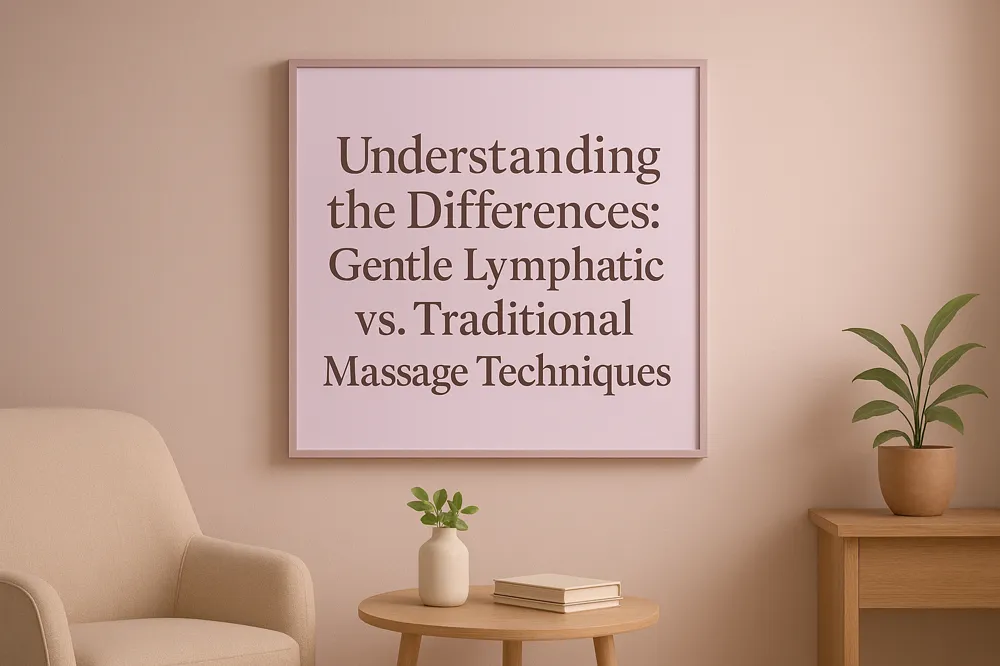
How do lymphatic massage and standard massage differ in pressure levels and hand movements?
Lymphatic Drainage Massage employs very light, rhythmic strokes that mimic the natural pulsations of the lymphatic system. This gentle technique uses mild pressure focused on the skin’s surface, primarily the dermis where lymphatic capillaries are accessible. The movements are wave-like and designed to stimulate lymph flow, reduce swelling, and promote detoxification.
Conversely, traditional massage techniques such as Swedish or deep tissue massage apply firmer pressure with longer, gliding strokes, kneading, friction, and stretching. These movements aim to relax muscles, improve blood flow, and alleviate muscle tension by targeting deeper tissues.
Is the use of oils or lotions a part of lymphatic massage and standard massage?
Standard massage typically uses oils or lotions to facilitate smoother gliding over muscles and connective tissues. In contrast, lymphatic massage avoids oils and lotions to preserve the precision and effectiveness of the gentle, rhythmic hand movements required to stimulate lymph flow.
What tissues and therapeutic goals distinguish these two massage types?
Lymphatic massage primarily targets the superficial lymphatic vessels and nodes to help eliminate excess fluid, toxins, and waste, supporting immune function and reducing post-surgical swelling. Its therapeutic focus is on fluid balance, immune support, and tissue healing.
Standard massage focuses on muscles, tendons, and connective tissues to relieve tension, enhance flexibility, and promote relaxation. It is especially beneficial for muscle recovery and psychological stress relief.
Why does lymphatic massage use very light, rhythmic strokes?
The lymphatic system is fragile and located just below the skin. Gentle, rhythmic strokes prevent damage to superficial lymphatics while encouraging lymph movement. Excessive or deep pressure could collapse these vessels, hampering lymph drainage and potentially worsening edema. See Manual Lymphatic Drainage techniques and pressure methods for details.
How does standard massage target muscles and connective tissues?
Standard massage utilizes varied pressures and techniques to reach deeper muscle layers and connective tissues. These methods increase blood circulation, release muscle knots, reduce pain, and improve range of motion, fostering overall musculoskeletal wellness. For more info, see Swedish and deep tissue massage overview.
Specialized Training for Post-Surgical Lymphatic Therapy Providers
What specialized training is necessary for therapists providing lymphatic therapy and post-surgical care?
Therapists working in post-surgical lymphatic therapy require advanced education in Complete Decongestive Therapy (CDT) for Lymphedema, a comprehensive treatment approach that includes Manual Lymphatic Drainage (MLD), compression therapy, remedial exercises, and skin/nail care. This training provides deep knowledge of the Lymphatic System Function as well as clinical management strategies essential for safely reducing swelling and improving healing outcomes.
Certification programs for lymphatic therapists are rigorous and typically designed for healthcare professionals like physical therapists, nurses, physicians, and certified massage therapists. These programs demand prior clinical experience or relevant healthcare education and culminate in credentials such as Certified Manual Lymph Drainage Therapist (CMLDT) certification or Certified Lymphedema Therapist (CLT) certification.
The foundational Manual Lymphatic Drainage (MLD) techniques, developed in the 1930s, remains a crucial element within CDT and effectively addresses postoperative edema, lymphedema, and similar conditions. Certification standards ensure therapists apply precise, gentle lymphatic massage methods to promote fluid drainage without causing harm.
Completing this specialized training equips therapists with the skills to provide safe, evidence-based care that supports optimal recovery, reduces complications, and enhances long-term wellness for post-operative patients. Their expertise is vital for tailoring lymphatic therapy to individual healing needs, especially after complex surgeries such as liposuction, tummy tucks, or breast procedures.
Role of Post-Operative Care Services in Enhancing Healing and Recovery

How can post-operative care services aid in healing after cosmetic or reconstructive surgery?
Post-operative care services play an essential role in supporting healing after cosmetic or reconstructive surgery by providing a comprehensive approach to recovery that goes beyond simple massage treatments. They focus on managing swelling, controlling pain, and carefully monitoring the patient’s condition to prevent complications.
Overview of comprehensive post-op care beyond massage
Effective post-operative care includes a combination of therapies such as lymphatic drainage massage, tailored body contouring, and cellulite treatments, all designed to accelerate tissue repair and reduce inflammation. These therapies assist in restoring lymphatic flow that might be disrupted during surgery, thereby reducing edema and promoting detoxification.
Swelling management, pain control, and monitoring
Management of swelling and pain is critical in the early phase of recovery. Compression garments are often utilized alongside massages to apply consistent pressure, supporting lymphatic drainage and tissue healing. Continuous monitoring through follow-up visits allows healthcare providers to assess wound healing and identify any signs of infection or abnormal scar formation promptly.
Body contouring and cellulite treatments to complement recovery
Post-surgical body contouring treatments can enhance aesthetic outcomes by smoothing skin appearance and improving circulation. These therapies complement swelling reduction efforts, helping patients achieve optimal cosmetic results while supporting overall comfort.
Importance of wound care and scar monitoring
Proper wound care and scar management are fundamental aspects of post-operative services. Guided by medical professionals, patients receive instructions on incision care and scar observation, which minimize risks of infection and fibrosis, ensuring the best possible tissue recovery and cosmetic appearance.
Collaborative approach between medical and therapy professionals
A holistic recovery approach involves collaboration between plastic surgeons, certified lymphatic massage therapists, and other specialized healthcare providers. This team effort ensures personalized care plans addressing individual patient needs, promoting safety, faster healing, and superior surgical outcomes.
Through comprehensive post-operative care services, patients are supported physically and emotionally during recovery, enabling enhanced healing, improved comfort, and bolstered confidence in their surgical results.
Enhancing Circulation and Detoxification for Women’s Wellness After Surgery
How does promoting better circulation and detoxification contribute to women’s wellness after surgery?
Promoting better circulation and detoxification after surgery significantly enhances women’s wellness by supporting faster and more efficient healing. Improved blood flow delivers vital nutrients and oxygen to tissues, which are essential for repair and regeneration following surgical procedures. Techniques such as Manual Lymphatic Drainage (MLD) techniques gently stimulate the lymphatic system, facilitating the removal of excess fluids and metabolic waste that commonly accumulate and cause swelling and discomfort.
By effectively reducing edema and inflammation, these therapies relieve pain and minimize the risk of complications such as infection and fibrosis. Enhanced lymphatic function also boosts immune support, enabling the body to better fight infections and regulate inflammatory responses. This immune support is especially critical post-surgery to promote robust healing.
Beyond physical recovery, improved detoxification and circulation contribute positively to emotional and skin health. Reduced swelling and toxin clearance can alleviate feelings of heaviness and fatigue, decreasing stress and promoting mental relaxation. Facial lymphatic drainage benefits, in particular, can increase blood circulation, reduce puffiness, and promote a healthier skin appearance, which many women find uplifting during recovery.
Overall, integrating circulation enhancement and detoxification through lymphatic stimulation creates a comprehensive, holistic approach to post-surgical care. It accelerates healing, reduces discomfort, supports immune and skin health, and fosters emotional well-being, all vital components of women’s wellness after surgery.
Key Complementary Treatments: Body Contouring and Cellulite Therapies Post-Surgery
What types of body contouring and cellulite treatments complement lymphatic and post-surgical care?
Body contouring and cellulite treatments play a significant role in enhancing post-surgical recovery and improving aesthetic outcomes. These therapies include laser treatments such as Cellulaze, which targets cellulite by breaking down fibrosis under the skin.
Radiofrequency devices and ultrasound therapies help stimulate collagen production and improve skin texture and elasticity. Mechanical methods like Cellfina work by releasing tension in fibrous bands that cause cellulite dimpling.
Non-invasive options such as VelaShape and Z Wave utilize mechanical and radiofrequency energy to promote circulation and lymphatic flow, effectively reducing swelling and supporting detoxification.
These treatments complement Lymphatic Drainage Massage Benefits by accelerating the removal of excess fluids and toxins, reducing inflammation, and encouraging tissue remodeling. The stimulation of collagen production is especially beneficial for skin tightening, enhancing smoothness and contour.
By integrating these therapies with Post Surgical Lymphatic Massage, patients benefit from faster recovery periods and improved body shaping results. Treatment plans should be personalized by qualified specialists to align with individual healing needs and optimize outcomes.
Why Choosing Certified and Experienced Lymphatic Massage Therapists Matters

Certification Requirements and Their Importance
Certified manual lymphatic drainage therapists undergo rigorous training to ensure safe and effective treatment. Certifications such as Certified Manual Lymph Drainage Therapist (CMLDT) certification and Certified Lymphedema Therapist (CLT) certification require extensive education—up to 135 hours—to master specialized techniques focused on stimulating lymph flow and reducing swelling.
Risks of Untrained Practitioners
Untrained or uncertified therapists may unknowingly apply incorrect pressure or techniques that could damage superficial lymphatic vessels or worsen swelling. Inappropriate treatment might also overlook contraindications like blood clots, infections, or major heart issues, posing serious health risks.
Safety and Effectiveness in Lymphatic Drainage Therapy
Certified therapists use gentle, rhythmic motions that mimic natural lymphatic pulsations, minimizing risk and maximizing therapeutic benefits. Their knowledge ensures lymphatic massage complements post-surgical recovery safely, reducing swelling, fibrosis, and pain.
Qualified Professional’s Role in Managing Complex Cases
Experienced therapists understand complex cases involving surgeries that disrupt lymphatic pathways, such as liposuction or breast procedures. They tailor treatment plans and coordinate care with physicians to promote healing and avoid complications, employing manual lymphatic drainage techniques specific to these challenges.
Resources to Find Certified Therapists
Patients should seek therapists listed with reputable organizations like the Lymphology Association of North America (LANA) or verified networks specializing in lymphatic health. Referrals from plastic surgeons and healthcare providers also help connect patients to qualified professionals.
Choosing a certified and experienced lymphatic massage therapist is essential for personalized, safe, and effective treatment, supporting optimal recovery and wellness.
Conclusion: Tailoring Massage Approaches for Optimal Post-Surgical Wellness
Differentiating Massage Techniques
Post-surgical lymphatic massage is distinct from standard massage therapies; it employs gentle, rhythmic, light pressure designed to stimulate lymph flow and reduce swelling.
Unlike traditional massage, which targets muscle relaxation and deeper tissues, lymphatic massage focuses on the superficial lymphatic system to promote detoxification and support immune health.
Importance of Specialized Training
This treatment requires practitioners with specific certification in Manual Lymphatic Drainage (MLD), ensuring safety and effectiveness, especially critical for women recovering from surgeries like liposuction or tummy tucks.
Integrating Therapies and Post-Operative Care
Combining lymphatic massage with practices such as wearing compression garments and guided self-care enhances recovery by minimizing edema and preventing complications like fibrosis or infection.
Personalized Treatment Plans
Optimal outcomes arise from individualized care that considers each woman’s unique surgical experience, health status, and healing progress.
Therapists and healthcare providers collaboratively tailor interventions for best results.
Empowering Women Through Informed Decisions
Educating women on these massage options fosters confidence in their recovery journey, supporting wellness beyond surgery through informed, compassionate care strategies.